From Indian Fields to Your Kitchen · Made with Tradition
From Indian Fields to Your Kitchen · Made with Tradition
From Indian Fields to Your Kitchen · Made with Tradition

India’s Forgotten Grains — Rediscovering Our Diverse Grain Heritage

Exploring the Traditional Grains That Have Shaped Indian Food Culture
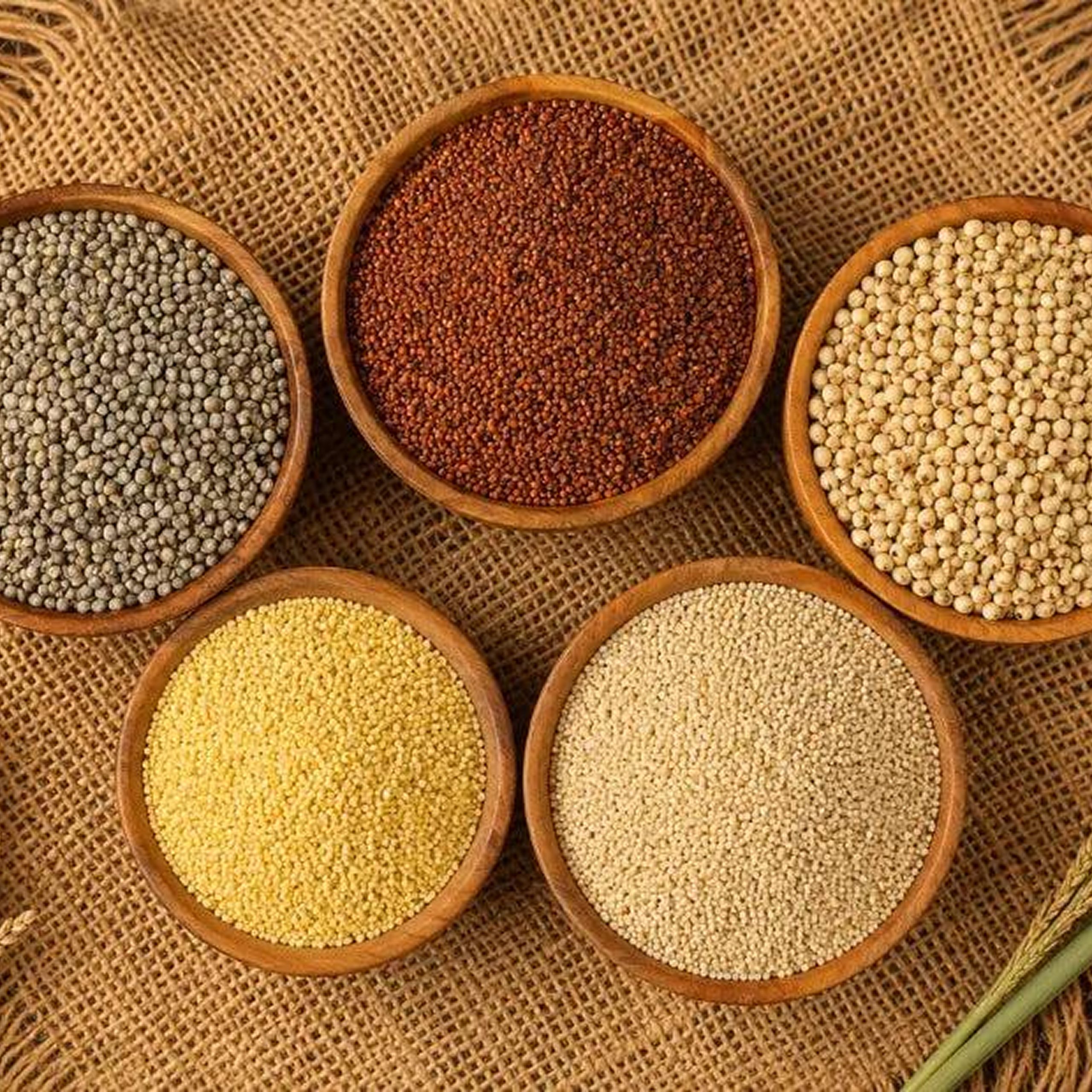
India’s food heritage is built around a remarkable variety of grains. While wheat and rice are familiar staples in many households, numerous other grains and millets have been cultivated and consumed across the country for centuries.
Jowar, bajra, ragi, barley and maize each have their own agricultural history and culinary traditions. Exploring these grains offers a window into India’s regional food cultures and the diversity of its farming practices.
1. Jowar — The Sorghum Grain
Jowar, also known as sorghum, is an important traditional grain in several parts of India. It has a strong association with the food cultures of Maharashtra, Karnataka and other regions.
Jowar flour is used in traditional preparations, including bhakri. The grain is also valued for its ability to grow in a range of environments, including areas where rainfall can be limited.
2. Bajra — The Pearl Millet
Bajra, or pearl millet, has a long history of cultivation in India’s drier regions. It is especially familiar in Rajasthan, Gujarat and parts of western and central India.
Its small, round grains are used to produce flour for traditional flatbreads. Bajra remains an important part of the food traditions of many farming communities.
3. Ragi — The Finger Millet
Ragi, commonly known as finger millet, is recognised by its small, reddish-brown grains. It has a strong place in the culinary traditions of Karnataka and other southern Indian states.
Ragi flour is used in a variety of regional foods. The grain is also known for its calcium content, although the nutritional value of a finished food depends on the ingredients and preparation method.
4. Barley — A Grain with an Ancient History
Barley is one of the world’s oldest cultivated cereal grains. In India, it has historical and cultural significance and is used in different food preparations.
Barley can be processed into flour, while the whole grain is also used in various traditional and contemporary foods.
5. Maize — The Versatile Corn Grain
Maize, commonly called corn, is widely grown and consumed in different parts of India. It is especially familiar in the form of makki ki roti, a traditional flatbread associated with northern India.
Maize flour has a distinctive colour and flavour, making it different from wheat and other cereal flours.
Why Are Traditional Grains Worth Exploring?
Traditional grains tell us more than what people eat. They reflect local climates, farming knowledge, regional cuisines and the ways communities have adapted to the land around them.
Exploring different grains can help households discover new ingredients while keeping regional food traditions alive.
Bringing Grain Diversity into Modern Kitchens
Today, traditional grains are finding their place in contemporary kitchens alongside familiar staples. Consumers can explore different flours based on their cooking preferences, regional food traditions and individual dietary needs.
At Ashwyo Organics, our range includes wheat varieties, multigrain atta, jowar, bajra, ragi, barley and maize flour — celebrating the diversity of grains that have shaped India’s food culture.
Many grains. Many traditions. One rich food heritage.