From Indian Fields to Your Kitchen · Made with Tradition
From Indian Fields to Your Kitchen · Made with Tradition
From Indian Fields to Your Kitchen · Made with Tradition

Understanding India’s Traditional Wheat Varieties

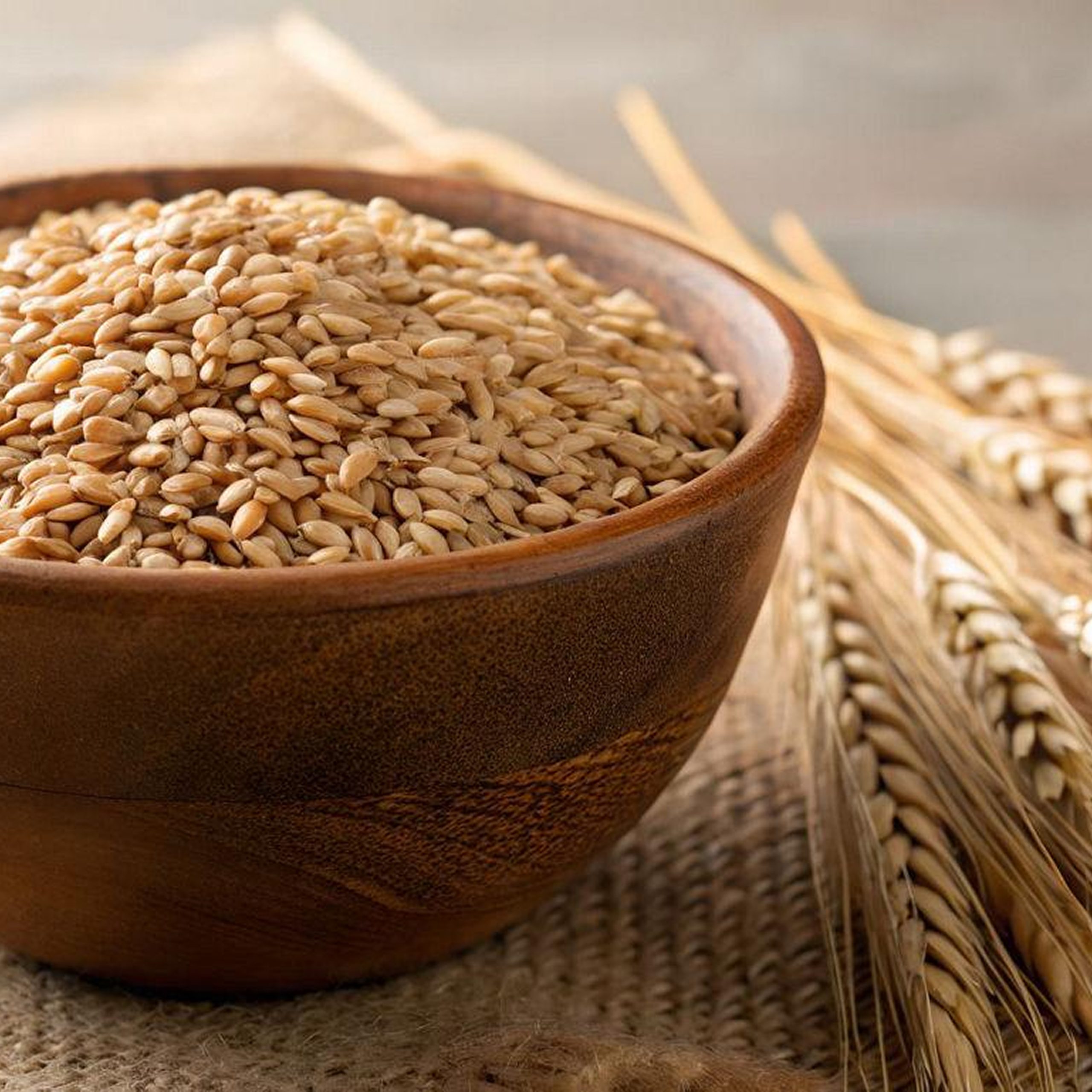
A Closer Look at the Grains Behind Everyday Flour
Wheat has been an important part of Indian food culture for generations. From the familiar roti served at family meals to traditional breads prepared across different regions, wheat continues to hold a special place in everyday cooking.
However, not all wheat is the same. India has a diverse range of wheat varieties, each with its own characteristics, growing regions and place in local food traditions.
1. Sharbati Wheat: A Familiar Name in Indian Kitchens
Sharbati wheat is widely associated with Madhya Pradesh, particularly the Sehore region. It is known for its golden appearance and is often valued for its suitability for making chapatis. Its grain characteristics and flour quality can vary depending on growing conditions and processing.
2. Halna Wheat: A Traditional Wheat Variety
Halna is one of the traditional wheat varieties found in India’s diverse grain landscape. Like other wheat varieties, its characteristics are influenced by the conditions in which it is cultivated, including soil, climate and farming practices.
3. Khapli Wheat: An Ancient Grain Tradition
Khapli wheat, commonly associated with emmer wheat, has a long history of cultivation in parts of India. It is distinct from the common bread wheat varieties used in many households and is valued by people interested in exploring traditional grains.
4. Bansi Wheat: A Part of India’s Grain Heritage
Bansi is another name encountered in India’s traditional wheat market. The name may be used differently across regions and suppliers, making it useful to understand the grain’s origin and specific variety when choosing a product.
What Makes Wheat Varieties Different?
Several factors influence the characteristics of wheat and the flour produced from it:
- Grain variety: Different varieties have different physical and compositional characteristics.
- Growing conditions: Soil, rainfall, temperature and cultivation practices influence grain development.
- Milling process: The method of milling affects flour texture and other properties.
- Storage and handling: Proper handling helps maintain the quality of grains before milling.
Why Grain Selection Matters
Choosing suitable grains is an important part of producing flour for everyday use. Understanding the variety, its origin and how it is processed helps consumers make more informed choices.
At Ashwyo Organics, our range celebrates the diversity of Indian grains, bringing varieties such as Sharbati, Halna, Khapli and Bansi into the modern kitchen.
Different grains. Rich traditions. One place at your table.